
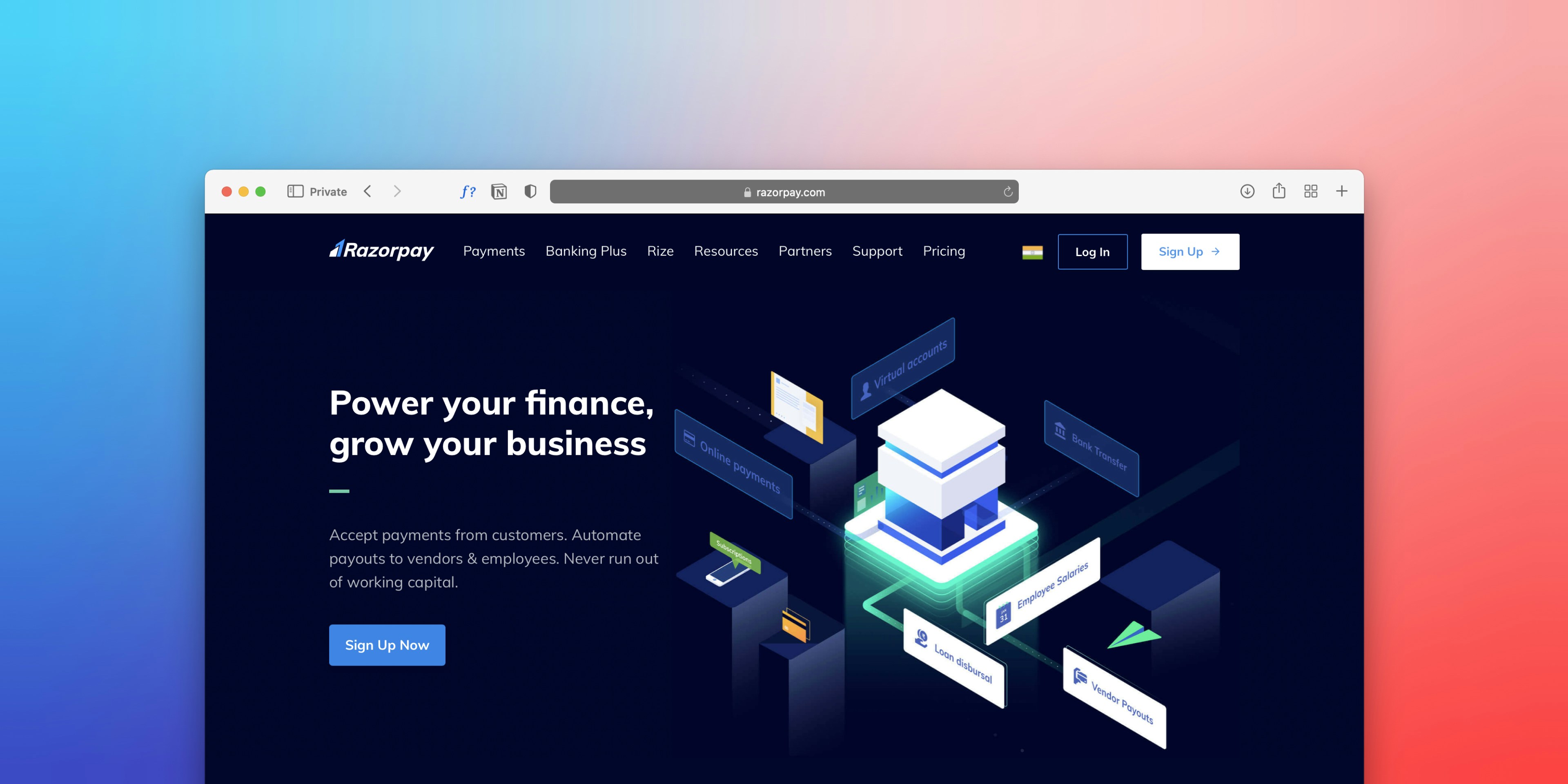
Introduction to Digital Payments and Fintech Evolution
The digital payment landscape has undergone a remarkable transformation over the last decade, driven by the rapid evolution of technology and the increasing adoption of fintech solutions. At the heart of this revolution is the rise of fintech companies that are reshaping how individuals and businesses engage with money and transactions. These companies leverage innovative technology to provide efficient and user-friendly platforms that enable customers to conduct financial activities with remarkable ease.
One of the most significant developments in this space is the emergence of mobile payment systems, particularly the Unified Payments Interface (UPI) in India. UPI has facilitated seamless transactions between bank accounts through mobile devices, allowing users to send and receive money instantly. The introduction of such technology has streamlined the payment process, contributing to greater financial inclusion and promoting a cashless economy. As UPI continues to gain traction, other digital payment systems globally are also witnessing increased uptake, demonstrating a shift in consumer behavior towards more convenient payment options.
The significance of digital payments in today’s economy cannot be overstated. They not only enhance operational efficiency for businesses, allowing for faster transactions but also provide consumers with greater flexibility in how they manage their finances. Moreover, the proliferation of e-commerce has necessitated the need for reliable digital payment solutions, further highlighting the integral role of fintech in current and future business practices. With ongoing advancements in technology and growing consumer expectations, the digital payments sector is poised for continued growth, offering new opportunities for both consumers and businesses alike.
Key Trends in UPI and Digital Payment Systems for 2023
In 2023, the landscape of digital payments, particularly through the Unified Payments Interface (UPI), has witnessed significant advancements. One of the most notable trends is the enhancement of security measures that protect user transactions. With an increase in cyber threats, platforms are now implementing multi-factor authentication and blockchain technology to bolster security. These advancements aim to build consumer trust, encouraging more users to adopt digital payment methods.
Integration with popular applications has also emerged as a key trend this year. UPI has become a crucial component for various e-commerce and social media platforms, allowing users to conduct financial transactions seamlessly within apps they frequently use. This approach not only enhances the user experience but also increases transaction convenience, leading to higher user adoption rates in the digital payment ecosystem.
Moreover, the growing acceptance of UPI in retail and brick-and-mortar establishments is changing consumer behavior. Businesses are recognizing the importance of adopting digital payment solutions to cater to the evolving preferences of consumers who prioritize efficiency and immediacy in their transactions. Consequently, there has been a noticeable shift towards contactless payments, which have gained traction among consumers who value speed and safety in their financial interactions.
As a result of these trends, consumer preferences are increasingly leaning towards digital and contactless payments. The simplification of transaction processes and the ease of integrating payments into everyday activities are shaping the future of financial interactions. Furthermore, the ongoing collaboration among fintech firms, banks, and tech giants is likely to continue driving innovation within the digital payment space, suggesting a dynamic and rapidly evolving market. As these trends solidify, they will play a fundamental role in defining the next phase of digital payments and consumer engagement.
Fintech Innovations Revolutionizing Payments This Year
The financial technology sector continues to evolve at a rapid pace, particularly in the realm of digital payments. This year, several innovations are making significant strides, reshaping the payment ecosystem through enhanced user experiences and increased security measures. A pivotal area of growth is blockchain technology, which is being leveraged to facilitate more secure and transparent financial transactions. Companies are now exploring its use beyond cryptocurrencies, recognizing its potential in streamlining cross-border payments and settling transactions more efficiently.
Artificial intelligence (AI) is also playing a critical role in the modernization of payment systems, particularly in fraud detection. By employing advanced machine learning algorithms, fintech firms can analyze transaction patterns in real time, significantly reducing the incidence of fraudulent activities. For example, companies like Stripe have implemented AI-driven tools that not only identify unusual activities but also adapt to new fraud tactics, ensuring that consumers and merchants are better protected.
Another significant development in this space is the launch of real-time payment systems, which cater to the growing demand for instantaneous transactions. The faster the payment systems, the more seamless the transaction experience for users. Notable examples include the RTP network in the United States and the UPI system in India, which enables users to conduct instant money transfers and payments at any hour of the day. Furthermore, fintech startups like Revolut and Venmo are innovating traditional banking services by allowing peer-to-peer payments in a matter of seconds, thus promoting financial inclusivity.
These advancements in fintech are not just limited to established companies; a multitude of startups are emerging, bringing fresh ideas and solutions to the payment industry. As technology continues to progress, it is evident that fintech innovations are set to revolutionize the way we conduct transactions in the near future.
The Future of Digital Payments: Predictions and Challenges Ahead
The digital payments landscape is poised for significant transformation beyond 2023. Experts postulate that the momentum of innovations like the Unified Payments Interface (UPI) will continue to amplify the use of contactless transactions and digital wallets. One major prediction is the acceleration toward a cashless economy, driven by consumer demand for convenience and efficiency. However, this growth trajectory is not without challenges.
Regulatory hurdles present a formidable barrier as governments and regulatory bodies strive to keep pace with the rapid evolution of the fintech sector. Compliance with evolving regulations will necessitate that businesses stay agile and informed, ensuring adherence while fostering innovation. Additionally, global collaboration is imperative, as differing regulatory environments can complicate cross-border transactions.
Another pressing concern revolves around cybersecurity threats. As more consumers and businesses embrace digital payments, the risk of data breaches and fraud increases. Organizations must invest in robust security measures, including encryption and tokenization, while also fostering consumer awareness about safe practices in their digital transactions. The implementation of advanced fraud detection technologies will be critical in building trust among users.
Furthermore, market saturation is an emerging challenge as competition intensifies. Fintech startups, established banks, and technology giants vying for market share could lead to an overcrowded digital payments landscape. To navigate this saturation effectively, businesses will need to differentiate themselves by offering unique value propositions, such as enhanced customer experience, loyalty programs, or advanced analytics.
In conclusion, while the future of digital payments holds immense potential, it is equally fraught with challenges. Regulatory compliance, cybersecurity measures, and competitive differentiation will determine the success of businesses aiming to thrive in this dynamic ecosystem. Adapting to these trends and challenges is crucial for maintaining a competitive edge in the digital payments market.