
Understanding Electric Vehicle Charging Types
As the adoption of electric vehicles (EVs) continues to grow, understanding the various charging types becomes imperative for potential owners. There are three primary types of EV charging: Level 1, Level 2, and DC fast charging. Each type serves a unique purpose and is suitable for different scenarios.
Level 1 charging is the most basic form of charging, utilizing a standard household outlet (120 volts). This method typically delivers a charging rate of about 2-5 miles of range per hour, making it ideal for overnight charging or for users who drive short distances daily. For example, a Level 1 charger might be sufficient for urban drivers who can plug in their vehicle at home during the night and don’t require rapid replenishment throughout the day.
On the other hand, Level 2 charging employs a more robust electrical supply (240 volts). This type is common in residential settings as well as public charging stations. Level 2 chargers can provide around 10-60 miles of driving range per hour, depending on the vehicle’s specifications and available amperage. Many employers opt for Level 2 charging stations to allow employees to recharge during work hours, ensuring their vehicles are ready for travel at the end of the day.
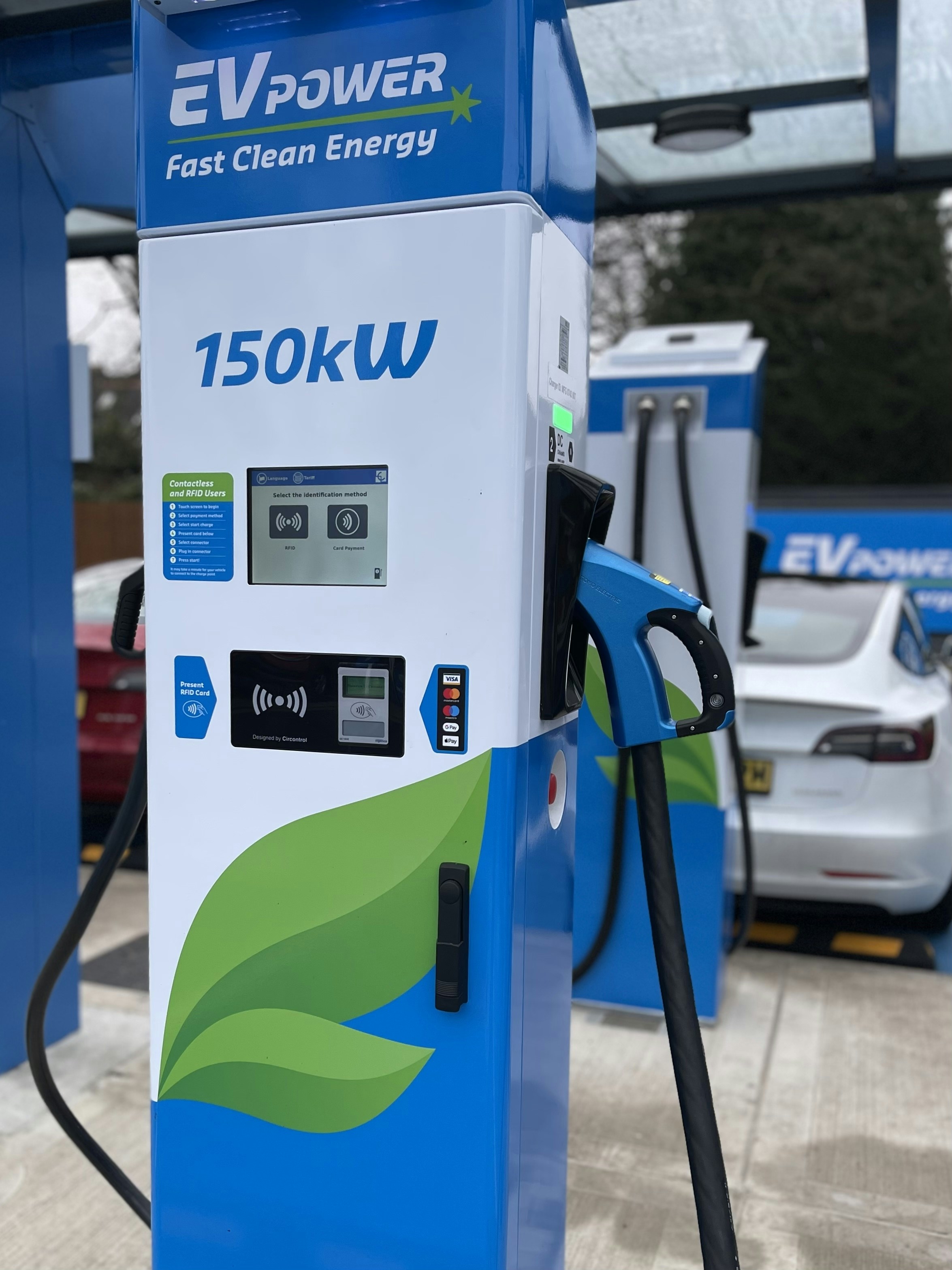
Lastly, DC fast charging is designed for rapid charging, often found in commercial charging stations along highways. This method can charge an EV to approximately 80% in 30 minutes or less, enabling long-distance travel without extended charging stops. DC fast chargers are ideal for road trips, where speed is critical, and where drivers can take a brief break while recharging.
By understanding these charging types, EV owners can make informed decisions about where and how to charge their vehicles based on their individual needs.
The Importance of Charging Infrastructure
Charging infrastructure plays a pivotal role in the sustained growth of electric vehicles (EVs). As the global demand for sustainable transportation solutions increases, efficient and accessible charging networks are required to meet the needs of EV owners. Currently, the state of charging infrastructure varies significantly across regions, with urban areas generally having a higher density of charging stations than rural locations. This disparity raises concerns about the adequacy of existing networks in supporting a widespread transition to electric mobility.
One of the major challenges faced in expanding charging infrastructure is the initial investment required for installation and maintenance. While governments and private companies are recognizing the need for enhanced charging capabilities, funding is necessary to support the development of comprehensive networks. Additionally, the pace of technological advancements, such as faster charging solutions and innovative payment systems, adds complexity to the deployment of charging stations. Coordinating efforts between various stakeholders, including local governments, utility companies, and the private sector, is essential for creating a cohesive approach to establishing robust infrastructure.
Governments worldwide are implementing policies and incentives to promote the development of charging infrastructure. Such initiatives include grants, tax breaks, and strategic partnerships aimed at increasing the number of publicly available charging stations. Private companies are also entering the fray, with numerous startups and established players investing in advanced charging technologies and ensuring compatibility across different EV models. By building more charging stations, the aim is to alleviate range anxiety among current and prospective EV owners, ultimately facilitating greater adoption of electric vehicles.
In conclusion, a well-developed charging infrastructure is crucial for supporting the growth and adoption of electric vehicles. As collaboration between governmental entities and private companies continues to advance, the future of EV charging networks looks promising, helping to create a more sustainable and accessible transportation ecosystem for all.
Home Charging Solutions for Electric Vehicle Owners
As electric vehicle (EV) adoption continues to rise, the importance of home charging solutions becomes even more pronounced. For many EV owners, having a reliable, efficient home charging station not only ensures convenience but also enhances the overall ownership experience. There are several types of home chargers available, and choosing the right one largely depends on your specific charging needs and electrical capacity.
The most common home charging options include Level 1 chargers, which utilize a standard household outlet, and Level 2 chargers that require a dedicated circuit, offering faster charging capabilities. Level 1 chargers typically provide approximately 4-5 miles of range per hour of charging, making them suitable for overnight charging, especially for those who drive shorter distances daily. In contrast, Level 2 chargers can deliver between 10 to 60 miles of range per hour, which is particularly beneficial for households with multiple EVs or high-mileage drivers.
When considering installation, it is essential to assess your existing electrical system. Depending on the charger type selected, you may need upgrades such as a dedicated circuit, increased amperage, or even a new electrical panel. The cost of installing a Level 2 charging station can range from $500 to $2,000, including materials and labor. Homeowners should consult with a licensed electrician to evaluate their current setup and determine potential modifications.
To maximize charging efficiency, electric vehicle owners should consider investing in smart chargers that can schedule charging during off-peak hours, potentially leading to reduced electricity costs. Additionally, it is advantageous to monitor your energy consumption to understand your charging patterns better. Performing regular checks on your charger can also help ensure optimal functionality and safety.
Future Trends in EV Charging Technology
The landscape of electric vehicle (EV) charging technology is rapidly evolving, driven by innovations that aim to enhance the user experience and integrate sustainable practices. One of the most promising advancements is wireless charging, which eliminates the need for physical connectors. This technology uses inductive charging, allowing EVs to charge simply by parking over a charging pad, thus facilitating a more convenient charging process particularly in public spaces.
Furthermore, smart charging solutions are gaining traction. These systems are designed to optimize energy use by adjusting charging times based on grid demand or electricity pricing. As more EVs are adopted, smart charging can mitigate the pressure on the electrical grid, ensuring that the energy supply remains stable while also making charging more economical for users. Additionally, smart charging stations often come equipped with real-time data analytics, providing users with insights into their charging habits and enabling more informed decisions regarding energy usage.
Integration with renewable energy sources is another key trend shaping the future of EV charging. As the push for sustainability escalates, using solar or wind energy to power charging stations has become increasingly viable. This integration not only reduces carbon footprints but also allows EV owners to charge their vehicles with clean energy, promoting a greener approach to transportation.
Advancements in battery technology also play a crucial role in enhancing the future of EV charging. Newer battery chemistries promise faster charging times and increased efficiency, making electric vehicles more accessible and practical for a broader audience. These developments may lead to the emergence of ultra-fast charging systems, drastically reducing the time it takes to recharge an EV, and ultimately creating a seamless charging experience for users.