
Introduction to AI in Cooking
The intersection of artificial intelligence (AI) and culinary practices reflects a significant evolution in kitchen technology. Traditionally, cooking has been viewed as a manual task, reliant on individual skills and knowledge. However, advancements in AI are transforming this notion, demonstrating that machines can not only assist but also enhance the creative process in food preparation. This innovation aims to streamline various aspects of cooking, making it more efficient and accessible for home cooks.
AI-driven kitchen technologies encompass a wide range of applications, from smart appliances that can adjust cooking parameters to personalized recipe recommendation systems. These innovations utilize vast amounts of data and algorithms to analyze ingredients, cooking methods, and preferences, resulting in tailored suggestions that cater to specific dietary needs and tastes. Such capabilities enable cooks to experiment with flavors, discover new recipes, and optimize their culinary endeavors, ultimately leading to a more enjoyable cooking experience.
Moreover, artificial intelligence offers productivity-enhancing solutions in meal planning and grocery shopping. By leveraging machine learning, AI tools can predict cooking patterns, suggest recipes based on available ingredients, and generate shopping lists that minimize food waste. These efficiencies align with contemporary lifestyle demands, where time constraints often hinder the joy of cooking. As AI technology continues to evolve, it is poised to play an increasingly prominent role in the kitchen, merging traditional cooking methods with cutting-edge techniques.
In this context, AI not only reshapes the act of cooking but also fosters a new appreciation for culinary art. By providing insights and fostering creativity, this technology invites cooks to explore the possibilities of their kitchen, revolutionizing home cooking in unforeseen ways. As we delve deeper into the various applications and benefits of AI in cooking, it becomes clear that the future of food preparation will be characterized by innovation and enhanced culinary experiences.
Understanding AI-assisted Cooking Tools
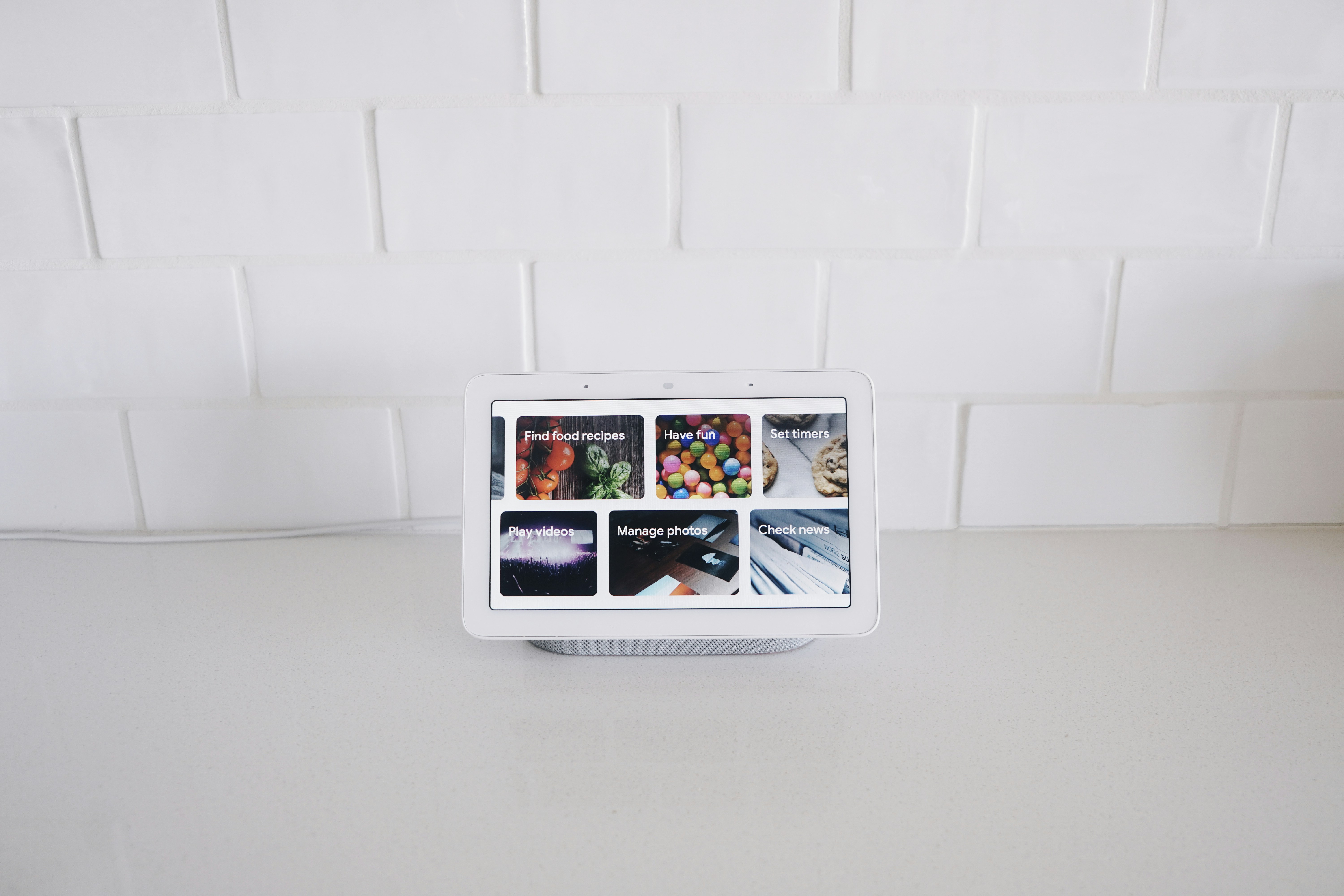
The landscape of home cooking is rapidly evolving due to the emergence of AI-assisted cooking tools that enhance the culinary experience. These innovative tools range from smart ovens and sophisticated cooking applications to advanced kitchen robots, each designed to streamline the cooking process and improve the overall outcome of meals.
Smart ovens represent a significant advancement in kitchen technology. Equipped with sensors and connectivity features, they can automatically adjust cooking temperatures and times based on the specific dish being prepared. These ovens learn from user preferences and can even suggest recipes based on available ingredients. This level of automation not only saves time but also minimizes the chances of cooking errors, making it ideal for both amateur cooks and seasoned chefs alike.
Cooking apps have become increasingly popular, with many integrating AI algorithms to help users create dishes tailored to their tastes and dietary restrictions. These applications can analyze user inputs such as available ingredients and desired cuisines, then generate personalized recipes. Furthermore, some apps offer step-by-step guidance, allowing the cook to follow along easily, which is especially beneficial for those who may lack experience in the kitchen.
Kitchen robots, or culinary robots, take AI-assisted cooking to another level by performing tasks such as chopping, stirring, and even cooking full meals autonomously. These devices are equipped with machine learning capabilities that allow them to adapt to the user’s cooking style over time. With the ability to collect data and improve their performance, kitchen robots can ensure consistently excellent results, reducing the effort and time required for meal preparation.
In summary, AI-assisted cooking tools, including smart ovens, cooking applications, and kitchen robots, are not merely gadgets; they are transformative innovations that redefine home cooking. By integrating these technologies, individuals can elevate their culinary endeavors while enjoying the process of cooking. The future of cooking is undoubtedly intertwined with advancements in artificial intelligence.
Planning Meals with AI: A Step-by-Step Guide
In recent years, Artificial Intelligence (AI) has entered various facets of daily life, including meal planning. The integration of AI tools in the kitchen enables individuals to streamline their cooking process and make informed dietary choices. One of the significant advantages of using AI for meal planning is its capacity to offer personalized recipe suggestions based on individual dietary preferences and the availability of ingredients.
To begin utilizing AI for effective meal planning, the first step is to identify an appropriate AI-powered meal planning tool or application. Many of these platforms allow users to enter information regarding dietary restrictions, such as allergies, vegan or vegetarian preferences, and calorie targets. By accumulating this information, the AI can curate a list of recipes that suit the user’s needs.
Next, users should input the ingredients they currently have at home. AI tools are adept at analyzing existing stocks and suggesting meals that can be made with those items, thus minimizing food waste and saving time during grocery shopping. For instance, if a user has chicken, broccoli, and rice, the AI can suggest an array of recipes like stir-fried chicken with vegetables or chicken and rice casserole, depending on user preferences.
After receiving suggested recipes, it is crucial to evaluate them based on preparation time, nutritional content, and personal taste. Many AI platforms will also provide insights regarding cooking techniques and preparation steps, making it easier for novice cooks to follow along.
Finally, planning meals for the entire week using AI tools allows for better organization of grocery shopping and cooking schedules. This forward-thinking approach not only fosters healthier eating habits but also provides an opportunity to try new recipes. As home cooking continues to evolve with technological advancements, leveraging AI for meal planning stands out as an innovative and efficient method to enhance culinary experiences.
AI for Ingredient Substitutions and Food Pairing
The integration of artificial intelligence (AI) into home cooking has revolutionized the way we approach meal preparation, particularly in the context of ingredient substitutions and food pairing. AI systems are increasingly capable of analyzing vast databases of recipes, nutritional information, and flavor profiles, allowing for insightful suggestions that cater to individual preferences and dietary requirements. This capability not only enhances culinary creativity but also minimizes food waste by recommending alternatives when specific ingredients are unavailable.
AI technology uses algorithms to assess the taste profiles of ingredients, which helps identify suitable substitutions that preserve or even elevate the desired flavor of a dish. For example, in a scenario where one might lack a certain spice, AI can recommend other spices or herbs that could replicate the flavor or even enhance it. This personalized approach ensures that home cooks can still deliver vibrant and tasty meals without compromising on their creativity or nutrition.
Moreover, AI excels in the complex domain of food pairing, which involves combining ingredients in a dish to create harmonious flavors that complement each other. By analyzing data from various culinary sources, AI systems can identify combinations that may not be immediately apparent to the average cook, thus broadening the horizons of meal preparation. Such algorithms can evaluate the interactions between various components based on scientific principles of taste, resulting in combinations that enhance the overall dining experience.
Incorporating AI-driven recommendations into meal planning encourages individuals to explore new ingredients and combinations, ultimately leading to a more enjoyable cooking experience. It allows for greater flexibility in the kitchen, accommodating both excitement and nutritional needs seamlessly. By leveraging the advancements in AI technology, home cooks can embark on a culinary journey that is both innovative and satisfying.
Cooking Techniques Enhanced by AI
The integration of artificial intelligence (AI) into the culinary world has transformed traditional cooking techniques, making the process not only more efficient but also more accurate. AI technology enables precise temperature control, which is critical for achieving desired results in various cooking methods. For instance, modern smart ovens and sous vide machines can maintain exact temperatures, ensuring that foods are cooked evenly and to the desired doneness. This level of precision allows home cooks to recreate professional-quality dishes with ease.
Timing is another crucial aspect of cooking that AI systems can optimize. Smart kitchen appliances are often equipped with timers and algorithms that can recommend the optimal cooking duration for different ingredients. These systems can automatically adjust cooking times based on real-time data, minimizing the risk of overcooking or undercooking. As such, home chefs can enjoy greater confidence in their culinary endeavors, knowing that their meals will be prepared flawlessly.
AI-driven monitoring of cooking processes is also groundbreaking, providing users with notifications and updates throughout the cooking journey. Smart thermometers, for example, can measure the internal temperature of meats and alert the cook when they reach the desired level. This feature not only helps ensure food safety but also enhances the overall cooking experience by allowing cooks to focus on other tasks while their meal is on the heat. Furthermore, intelligent systems can learn from user preferences, adjusting the cooking parameters to suit individual tastes better in future preparations.
Ultimately, the adoption of AI in cooking enhances home chefs’ abilities, reducing guesswork and elevating the overall quality of meals. By embracing these innovative cooking techniques, anyone can improve their culinary skills and enjoy perfectly cooked meals every time.
Benefits of Using AI in the Kitchen
The integration of artificial intelligence in cooking processes offers numerous advantages that can significantly enhance the culinary experience for home cooks. One of the most prominent benefits is the considerable time-saving aspect. AI-powered kitchen appliances and applications can assist in meal planning, suggest recipes based on available ingredients, and even automate cooking tasks. This streamlining allows individuals to prepare nutritious meals more quickly, enabling them to spend additional time on other important activities or simply enjoying their meals.
Another crucial advantage is the reduction of food waste. AI systems can analyze food inventory and recommend dishes that utilize ingredients nearing their expiration dates. This proactive approach not only helps in minimizing waste but also encourages more mindful consumption, fostering healthier eating habits. By leveraging data about common food pairings and shelf life, AI can guide users in making the most of what they have on hand, thus promoting sustainability.
Moreover, the incorporation of AI technologies can enhance meal quality. Smart cooking devices can objectively monitor cooking times and temperatures, ensuring that dishes are prepared optimally. This level of precision translates to more consistent flavors and textures, allowing home cooks to experiment and produce gourmet-level meals without extensive culinary training. Advanced algorithmic recommendations can also introduce individuals to new cuisines and cooking techniques, broadening their culinary repertoire.
Finally, the overall cooking experience is enhanced through the use of AI. Engaging with technology in the kitchen can make cooking more enjoyable and less daunting. Interactive apps may include gamified elements, cooking challenges, and personalized feedback, transforming the preparation of meals into an engaging activity rather than a mundane task. This positive reinforcement encourages more frequent home cooking, ultimately leading to healthier eating habits and a better appreciation for home-prepared meals.
Challenges and Limitations of AI in Cooking
As artificial intelligence (AI) continues to revolutionize various sectors, its application in home cooking introduces a range of challenges and limitations that need to be considered. A primary concern is the reliance on technology. Many home cooks may find themselves at the mercy of their devices, limiting their creativity and ability to cook instinctively. Traditional cooking is often an art form that thrives on intuition and personal taste, which can be compromised when one becomes overly dependent on AI-generated instructions.
Additionally, the learning curve associated with using AI cooking tools can be daunting for some users. Many individuals, particularly those who are not technologically inclined, may struggle to comprehend how to operate AI gadgets or applications effectively. This learning barrier can deter potential users from embracing the technology. Furthermore, while AI offers the promise of precise measurements and timings, the unintended consequences of these rigid parameters can lead to dishes lacking the necessary human touch or adaptation that comes from years of cooking experience.
Another significant hurdle in the adoption of AI in cooking is the variability in household environments. Factors such as differing kitchen setups, ingredient availability, and personal dietary restrictions pose challenges that AI systems must navigate. While some applications may be designed to customize recipes based on preferences, not all systems can adapt seamlessly to every unique situation. Therefore, the barrier to entry can be high for households that wish to integrate AI cooking solutions.
To summarize, while AI has the potential to transform home cooking, various challenges such as dependency on technology, the steep learning curve, and varying household needs may hinder its widespread adoption. Addressing these limitations will be essential for fostering a seamless integration of AI into everyday cooking practices.
AI and Sustainability in Cooking
In recent years, the integration of artificial intelligence in home cooking has transformed culinary practices, particularly in promoting sustainability. As awareness of environmental issues grows, AI offers innovative solutions that enable chefs and home cooks to make conscious food choices. One area where AI proves massively beneficial is in portion control. By analyzing dietary needs and varying portion sizes, AI tools can suggest appropriate meal servings, ensuring that ingredients are neither over-purchased nor wasted.
Another significant advantage of AI lies in its capacity to minimize food waste. Smart kitchen appliances and applications utilize machine learning algorithms to track inventory and predict the shelf life of various food items. By offering real-time guidance on usage and storage best practices, these tools significantly reduce the chances of spoilage and waste. As a result, consumers can make better decisions about what to cook based on what they already have, rather than buying excess groceries that may eventually go unused.
Furthermore, AI can aid in selecting sustainable ingredients by leveraging databases that evaluate the environmental impact of various food products. By analyzing factors such as carbon footprint, resource use, and sourcing practices, AI can guide cooks towards more eco-friendly options. This allows for the preparation of meals that not only nourish the body but also promote the health of our planet.
Ultimately, the role of AI in fostering sustainability in cooking is undeniable. By enhancing portion control, reducing food waste, and facilitating sustainable ingredient choices, AI helps home cooks embrace a more environmentally-friendly approach to meal preparation. As technology continues to evolve, its application in the culinary world will likely expand, leading to even more innovative ways to promote sustainability in our kitchens.
The Future of Cooking with AI
The integration of artificial intelligence (AI) into the culinary realm is rapidly transforming the way we approach home cooking. As technology evolves, AI-driven kitchen tools promise to enhance not only efficiency but also the overall cooking experience. Emerging trends indicate a shift towards more intuitive devices, enabling home cooks to leverage AI for meal planning, ingredient substitution, and even cooking techniques. These innovations are designed to assist both novice chefs and seasoned cooks in exploring new culinary avenues.
One of the most significant advancements in AI cooking technology is the development of smart kitchen appliances. These devices utilize machine learning algorithms to analyze user preferences, dietary requirements, and cooking habits. For instance, smart ovens can automatically adjust cooking times and temperatures based on the dish being prepared, reducing the potential for errors and improving culinary outcomes. Additionally, AI applications can suggest recipes based on ingredients available at home, minimizing food waste and promoting sustainable cooking practices.
Furthermore, AI’s role in the culinary world is likely to expand into personalized nutrition. By synthesizing data from various sources, including user health records and dietary preferences, AI can formulate customized meal plans tailored to individual nutritional needs. This shift towards personalization is expected to revolutionize meal preparation in households, making it easier for families to maintain balanced diets that cater to unique health considerations.
Moreover, the collaboration between AI and culinary professionals is anticipated to bring forth new possibilities in gourmet dining experiences. As chefs incorporate AI-generated techniques and trends, we may witness creative culinary innovations that blend technology with traditional cooking methods. This fusion not only enhances the dining experience but also invites a wider audience to explore gourmet cuisine, ultimately changing how home cooks perceive and experiment with food.