
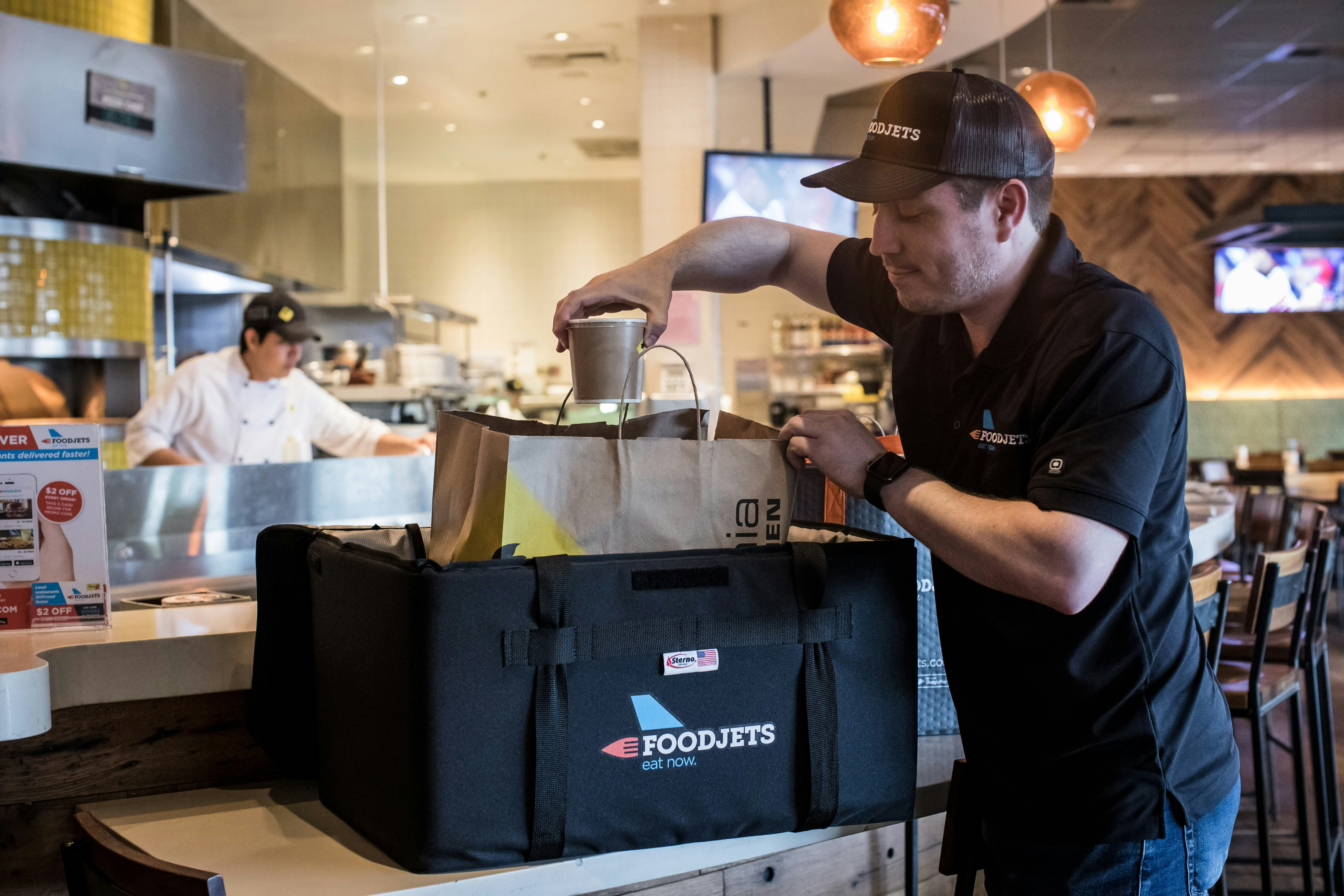
Introduction to Cloud Kitchens and Home Food Delivery
In recent years, the food service industry has witnessed a significant transformation, particularly in India, with the rise of cloud kitchens and home food delivery services. Cloud kitchens, also referred to as ghost kitchens or virtual kitchens, are commercial cooking spaces that serve customers exclusively through online food delivery platforms, without the traditional dine-in option. This model optimizes costs by eliminating the need for a physical restaurant space, thereby allowing businesses to focus on food production and delivery logistics.
Simultaneously, the concept of home food delivery has gained traction, reflecting a substantial shift in consumer behavior, particularly among urban populations. As busy lifestyles become the norm, there is an increasing preference for the convenience that home food delivery offers. The ease of ordering meals from various cuisines via mobile applications or websites has led to a surge in online food orders, making it a lucrative avenue for restaurants and food entrepreneurs.
Statistics indicate that the cloud kitchen market in India is poised to grow exponentially, fueled by changing consumer preferences, technological advancements, and a growing inclination towards culinary experimentation. According to industry reports, the food delivery market is expected to reach a valuation of USD 10 billion in the coming years, showcasing the immense potential in this domain. Additionally, the onset of the COVID-19 pandemic further accelerated this trend, as more consumers opted for safe, contactless dining experiences.
This blog aims to delve deeper into the dynamics of cloud kitchens and home food delivery in India, exploring the factors driving their popularity and the implications for the food service industry as a whole. By understanding these trends, stakeholders can leverage them to innovate and meet evolving consumer demands effectively.
Reasons Behind the Popularity of Cloud Kitchens in India
The rise of cloud kitchens in India is primarily driven by a myriad of factors that align with the evolving preferences and behaviors of consumers. One significant aspect contributing to their popularity is the rapid urbanization across the country. As more people migrate to urban areas for better job opportunities, the demand for convenient food options consequently increases. Cloud kitchens offer a solution by enabling consumers to order a diverse range of cuisines from the comfort of their homes or workplaces, facilitating a seamless food delivery experience.
Furthermore, the advent of digital payment solutions has greatly enhanced the efficiency of online food ordering. With various options available, such as mobile wallets and UPI transactions, consumers find it easier to place orders from cloud kitchens without the hassle of cash transactions. This shift toward cashless payments has been pivotal in reinforcing the model of home food delivery.
The growing appetite for diverse cuisines among Indians also plays a crucial role in the success of cloud kitchens. Today’s consumers are more experimental with their food choices, frequently seeking new flavors and culinary experiences. Cloud kitchens, with their often-focused menus and specialized offerings, cater to this desire for variety, allowing food lovers to explore and indulge in different culinary traditions.
Additionally, the impact of the COVID-19 pandemic cannot be overstated. As people became more cautious about dining out, many turned to food delivery services to satisfy their cravings. This behavioral shift has not only fueled the growth of cloud kitchens but has also changed consumers’ attitudes toward home delivery, establishing it as a preferred dining option.
Consumer preferences for convenience, health-conscious choices, and affordability further reinforcement the appeal of cloud kitchens. The capacity to order health-oriented meals at reasonable prices has made this model particularly attractive. Altogether, these factors paint a picture of a rapidly evolving dining landscape in India, shaped significantly by cloud kitchens and the home food delivery phenomenon.
Challenges Faced by Cloud Kitchens and the Delivery Sector
Cloud kitchens, which operate without a traditional storefront, represent a growing segment of the food industry in India. However, they face a unique set of challenges that can hinder their potential for success. One prominent challenge is the fierce competition from established restaurants, which often have a loyal customer base and brand recognition. These traditional establishments are increasingly adopting delivery models, further intensifying the rivalry in the food delivery market.
Another significant hurdle is the logistical complexities involved in food delivery. This encompasses a myriad of factors, including efficient route planning, timely delivery, and managing the cold chain to ensure food safety and quality. Any delays or mismanagement can lead to customer dissatisfaction, which impacts the reputation of cloud kitchens negatively.
Maintaining food quality during transit is crucial, yet it remains a consistent challenge in the delivery sector. Cloud kitchens need to invest in durable packaging solutions that maintain the integrity of the food, preventing spillage or spoilage. Additionally, ensuring compliance with regulations around food safety and hygiene can be a daunting task for new entrants in the food delivery landscape.
Effective marketing strategies are essential to navigate these challenges successfully. With many players in the market, cloud kitchens must differentiate themselves through unique selling propositions. Harnessing digital marketing techniques, leveraging social media, and employing customer feedback mechanisms can enhance visibility and attract a broader customer base.
In addressing these challenges, cloud kitchens can adopt best practices such as investing in technology for inventory management, establishing partnerships with reliable logistics providers, and continually revising their menus based on customer preferences. By acknowledging and strategically approaching these obstacles, cloud kitchens and the broader home food delivery sector can position themselves for success in India’s dynamic food landscape.
The Future of Cloud Kitchens and Food Delivery in India
As the food industry continues to evolve, the future of cloud kitchens and home food delivery in India holds significant promise. With the advent of digitally driven solutions, technology’s role in this sector is expected to expand even further. Innovations such as artificial intelligence and data analytics are likely to streamline operations, enhance customer experiences, and refine food delivery processes. These technological advancements will not only optimize logistics but also assist cloud kitchens in understanding consumer behavior and preferences, leading to more tailored offerings.
Moreover, sustainability is emerging as a critical focal point within the cloud kitchen model. Consumers are increasingly inclined towards brands that prioritize eco-friendly practices, such as sustainable food sourcing and minimal waste production. Cloud kitchens can capitalize on this trend by integrating local and organic ingredients into their menus while also adopting environmentally conscious packaging solutions. This shift not only caters to modern consumer preferences but also contributes positively to environmental conservation efforts.
Interestingly, the growth potential for cloud kitchens is not confined to urban centers. The rural markets in India present a significant opportunity for expansion. With improved internet connectivity and increasing smartphone penetration, rural consumers are becoming more aware of food delivery services. This demographic shift indicates a promising landscape for cloud kitchens, as they can cater to untapped markets by offering diverse culinary options that resonate with local tastes.
As consumer preferences continue to evolve in a post-pandemic world, new business models may emerge within the food delivery sector. Subscription-based services, meal kits, and personalized food selections are just a few examples of how cloud kitchens might adapt to changing consumer demands. The continued integration of technology and sustainable practices could further redefine the competitive landscape, allowing cloud kitchens to thrive and innovate.