
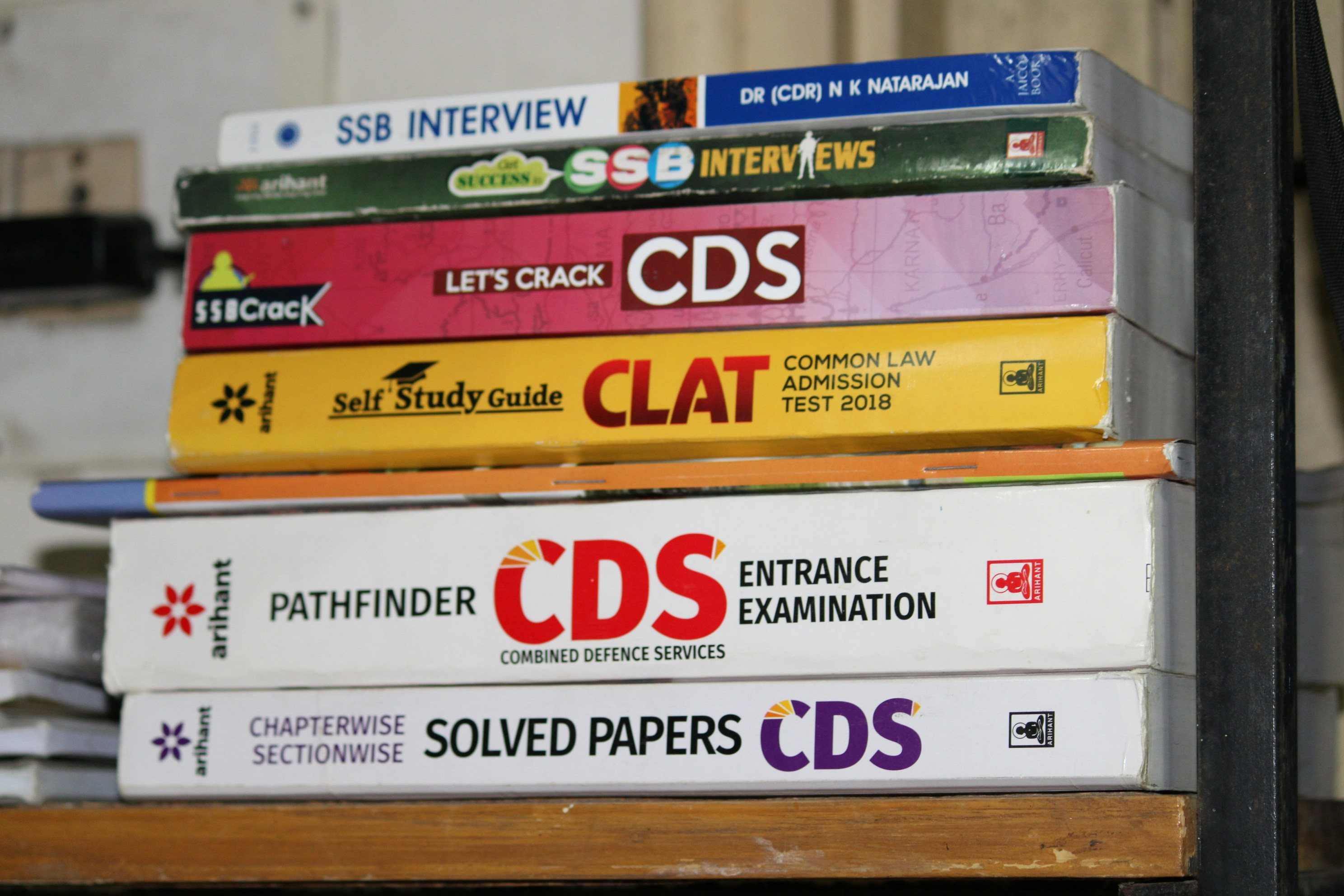
Introduction to AI in Education
Artificial intelligence (AI) has emerged as a transformative force in various sectors, and education is no exception. It offers innovative tools and methodologies that significantly enhance the learning experience for students, particularly those preparing for competitive examinations. As academic landscapes evolve, the integration of AI in educational contexts has become pivotal in optimizing study strategies, tailoring learning experiences, and improving overall student outcomes.
One of the most prominent benefits of AI in education is its ability to deliver personalized learning experiences. AI-driven platforms collect and analyze data on student performance, learning styles, and preferences, enabling them to create customized study plans that cater specifically to individual needs. This personalization can be particularly advantageous for students aiming for competitive exams, as it helps them focus on areas that require improvement while ensuring they build confidence in their strengths.
Moreover, AI tools facilitate a more efficient study process by optimizing revision methods. Through the use of intelligent tutoring systems and adaptive learning technologies, students can engage with interactive exercises and receive instant feedback on their performance. These real-time assessments allow learners to understand their progress and adjust their study tactics accordingly, making the preparation process more effective.
Additionally, AI can help in identifying knowledge gaps and providing targeted resources for improvement. By recommending materials based on each student’s unique requirements, AI empowers students to engage with content that is most relevant to their upcoming competitive exams. Consequently, AI not only enhances learning efficiency but also fosters a more engaging and motivating educational environment.
Thus, the integration of artificial intelligence in education signifies a paradigm shift in how students approach their studies, particularly in high-stakes scenarios such as competitive examinations. As we explore the various applications and advantages of AI in this domain, it becomes evident that such technologies are essential tools in contemporary learning methodologies.
Understanding Competitive Exams and Their Challenges
Competitive examinations serve as pivotal assessments to evaluate students’ knowledge and aptitude across various subjects. These exams can range from national entrance tests for universities to civil service assessments and professional certifications. Each type of competitive exam often follows a particular pattern, focusing on a multitude of subjects including mathematics, language skills, general knowledge, and specific vocational disciplines. The structure usually encompasses multiple-choice questions, descriptive formats, and sometimes practical assessments. Test-takers are frequently required to demonstrate not only their extensive knowledge but also their ability to think critically and solve problems under time constraints.
One of the foremost challenges faced by students during competitive exam preparation is time management. With vast syllabi and a limited amount of time before the exam date, learners often find themselves struggling to allocate time appropriately among different subjects. The need for balance between understanding conceptual knowledge and practicing problem-solving becomes increasingly daunting as the exam approaches.
Furthermore, the phenomenon of information overload is prevalent among students preparing for these examinations. Given the vast amount of study materials available—ranging from books to online resources—students may feel overwhelmed by the sheer volume of content they must assimilate. This can lead to confusion and a lack of focus, making effective study even more challenging.
Lastly, maintaining motivation throughout the prolonged preparatory phase is another significant hurdle. The journey to success in competitive exams can be arduous and often involves dealing with anxiety and self-doubt. These emotional challenges can adversely affect a student’s mental health and overall ability to study effectively. To compound these difficulties, many students undertake this rigorous preparation while managing other responsibilities, thereby increasing the complexity of their study routine. All these factors highlight the need for innovative solutions, such as those provided by AI, to streamline and enhance the exam preparation process.
AI-Powered Learning Resources
In recent years, the integration of artificial intelligence (AI) into educational practices has revolutionized how students prepare for competitive exams. Several AI-powered learning resources have emerged, providing tailored support and enhancing the overall study experience. These platforms utilize advanced algorithms to adapt content to each individual’s learning pace and style, which is crucial for mastering complex subjects found in competitive exam syllabi.
One notable example is Quizlet, an interactive tool that creates personalized study sets and quizzes based on the user’s previous performance and preference. The platform employs AI to analyze students’ learning patterns, enabling it to suggest relevant study materials and track progress over time. Similarly, Khan Academy offers personalized learning dashboards that adapt to individual students, helping them strengthen areas where they may struggle while promoting self-paced learning.
Additionally, Chegg Prep utilizes AI to offer students practice questions and flashcards. It harnesses vast datasets from previous exams to curate content that aligns closely with what candidates can expect in actual tests. Another resource, Grammarly, while primarily focused on writing assistance, employs AI-driven feedback to help users improve their writing skills, a vital aspect of many competitive exams that require clear expression and concise arguments.
Moreover, platforms like Coursera and edX use AI to recommend courses based on users’ interests and previous course completions, thereby tailoring the learning experience. By providing diverse interactive content and customized study approaches, these AI-driven educational tools empower students to enhance their understanding, retention, and performance in competitive exams.
Creating Personalized Study Plans with AI
Artificial intelligence has emerged as an invaluable tool in the realm of education, particularly when it comes to preparing for competitive exams. One of the key benefits of AI is its ability to create personalized study plans that cater to the individual needs of students. By utilizing advanced algorithms, AI can analyze a student’s performance, learning style, and even their schedule to suggest the most effective study methodologies and topics to focus on.
These systems can assess a student’s strengths and weaknesses based on past performance data, allowing them to highlight specific areas requiring more attention. For instance, if a student excels in mathematics but struggles with verbal reasoning, the AI can tailor the study plan to allocate more time to improving verbal comprehension, while still maintaining a consistent practice of mathematical concepts. This targeted approach not only helps in optimizing study time but also minimizes frustration by avoiding unnecessary repetition of mastered topics.
Moreover, AI-driven platforms can adapt in real-time to changing circumstances, such as when a student’s availability shifts or if they progress faster than anticipated. Many intelligent study tools can even recommend resources such as articles, videos, or practice questions aligned with the current study topic, enhancing the learning experience. Real learning adaptability is crucial in preparing efficiently for competitive exams, where every study hour counts.
In sum, harnessing AI to develop personalized study plans allows students to cultivate a strategy that aligns with their individual learning needs and exam goals. This approach not only maximizes their study efficiency but also builds confidence in their preparedness for the upcoming challenges. As technology continues to advance, the integration of AI into academic study planning will likely become even more sophisticated and beneficial for learners worldwide.
Utilizing AI for Practice and Mock Tests
In the realm of competitive exam preparation, mock tests are a fundamental component that aids students in assessing their readiness and understanding of the test format. The introduction of Artificial Intelligence (AI) has further revolutionized this practice, providing tailored and efficient learning experiences. AI-driven platforms can facilitate adaptive testing methods, which dynamically adjust the difficulty of questions based on individual performance. This personalization ensures that learners are continually challenged, promoting deeper learning and retention of knowledge.
Traditional mock tests often adopt a one-size-fits-all approach, which may hinder some students while under-challenging others. With AI integration, however, students are presented with a unique set of questions that evolve according to their skill level. For instance, if a student consistently performs well in certain subject areas, the AI system will increase the complexity of the questions presented, pushing them to improve and reinforcing their understanding. Conversely, if a student struggles with specific concepts, the AI will adjust by incorporating easier questions, ensuring that all students receive the support they need to succeed.
AI-generated questions can also encompass a wide variety of topics and formats, enhancing the scope of practice tests. These can include multiple-choice questions, essays, or problem-solving tasks that mirror the actual exam conditions. As a result, students can engage in a more holistic preparation experience, familiarizing themselves with the structure and types of questions they will encounter. This strategic approach not only bolsters confidence but also alleviates test anxiety. With detailed performance analytics, AI tools provide insights into strengths and weaknesses, allowing students to concentrate their efforts on areas needing improvement. Thus, the utilization of AI in practice and mock tests not only optimizes study time but also significantly enriches the overall preparation journey for competitive exams.
AI for Revision and Retention Techniques
Effective revision is a cornerstone of successful competitive exam preparation, and artificial intelligence (AI) has introduced innovative tools that enhance revision techniques, facilitating better information retention. Among the most impactful methods enabled by AI are spaced repetition and smart flashcards. These techniques are designed to improve long-term memory, making them particularly beneficial for students preparing for high-stakes assessments.
Spaced repetition is a learning technique that involves reviewing material at strategically spaced intervals. AI-powered platforms can customize these intervals based on an individual’s performance, helping to reinforce knowledge just as one is about to forget it. This tailored approach not only increases retention rates but also ensures that the learner spends more time on challenging topics, optimizing their study sessions. The effectiveness of spaced repetition has been supported by cognitive psychology research, which shows that information is more firmly encoded in long-term memory when it is revisited at spaced intervals.
In addition to spaced repetition, smart flashcards have emerged as a dynamic method for efficient information recall. These digital flashcards leverage AI to analyze the learner’s progress and adjust the cards accordingly. For instance, if a student consistently struggles with a particular concept, the AI will present related flashcards more frequently. This personalized learning experience engages users and fosters greater familiarity with the material, especially in subjects that require extensive memorization, such as mathematics, science, and language learning.
Furthermore, many of these AI tools incorporate gamification elements that enhance user engagement, making study sessions more enjoyable while still being productive. As students prepare for competitive exams, the combination of spaced repetition and smart flashcards powered by AI proves invaluable, offering them a robust framework for mastering content and improving their academic performance.
Monitoring Progress with AI Analytics
The integration of AI analytics into competitive exam preparation has transformed traditional study methods, making the process more efficient and personalized. One of the key advantages of utilizing AI tools is the ability to continuously monitor a student’s progress. By analyzing various data points, AI systems can provide valuable insights into a learner’s strengths and weaknesses. This data-driven approach empowers students to focus their efforts where it is most needed, ultimately enhancing their chances of success.
AI analytics can track a range of metrics, such as time spent on specific subjects, accuracy in practice tests, and patterns in error types. This information helps students identify which areas require more attention. For instance, if a student consistently performs poorly in mathematics compared to other subjects, AI can flag this as an area needing improvement, allowing for the reallocation of study time and resources. Furthermore, with real-time adjustments to study plans based on performance data, learners are positioned to make informed decisions about their preparation strategies.
Moreover, AI analytics can personalize learning experiences by adjusting difficulty levels to suit the student’s current capability. As the student progresses, the AI system recalibrates challenges according to their performance history. This adaptive learning environment not only maintains engagement but also encourages a sense of accomplishment as students witness improvements in their skills.
The overall goal of leveraging AI analytics in exam preparation is to foster a continuous feedback loop, enabling ongoing evaluation and adaptation of study techniques. With this supportive framework, learners can approach their preparation with confidence, ensuring they stay on track towards achieving their academic goals. The capability of AI to analyze and respond to performance data in real-time is pivotal in revolutionizing the way students prepare for competitive exams.
Overcoming Common Misconceptions About AI in Education
As artificial intelligence (AI) continues to permeate various sectors, the education industry is also embracing its potential, particularly in the realm of competitive exam preparation. However, there remain a number of misconceptions regarding the efficacy and reliability of AI tools in this context. Addressing these myths is essential for students to fully engage with the technology, ensuring that they harness its benefits effectively.
One prevalent concern is the fear that AI lacks the personal touch inherent in traditional learning methods. While it is true that AI systems operate on algorithms and data, modern advancements have enabled these tools to adapt to individual learning styles. Personalized study plans derived from analysis of a student’s strengths and weaknesses allow AI-driven platforms to provide customized recommendations for resources, practice questions, and feedback. This adaptability fosters a more engaging and tailored learning environment, counteracting fears of a detached educational experience.
Another common misconception revolves around the belief that AI is merely a replacement for human educators. Rather than replacing educators, AI serves as a supplemental tool that enhances the learning experience. Human teachers bring invaluable empathy, understanding, and motivational support that AI cannot replicate. Instead, AI can assist these educators by providing data-driven insights about student performance, thereby enabling them to offer more targeted guidance and support.
Additionally, some students may feel apprehensive about the effectiveness of AI in predicting exam outcomes. However, various AI systems leverage extensive datasets and advanced analytics to develop accurate assessments of student readiness. By identifying patterns and correlating them with successful outcomes, these AI tools can provide realistic projections and actionable recommendations for improvement. In embracing educational AI, students can transform their preparation methods, achieving more efficient and successful exam results.
The Future of Learning: AI Trends in Competitive Exam Preparation
The landscape of education, particularly in the realm of competitive exam preparation, is rapidly evolving due to the integration of artificial intelligence (AI) technologies. As we look ahead, several notable trends are emerging that indicate how students can harness AI to enhance their learning experiences. One of the major advancements is in the field of machine learning, which allows for the development of intelligent tutoring systems. These systems can analyze a student’s performance patterns and adapt instructional materials accordingly, ensuring that learners receive tailored support that meets their unique needs.
Another pivotal trend is the concept of personalized learning pathways, which has gained traction through AI algorithms. These pathways leverage data analytics to create individualized study plans that accommodate different learning styles and paces. For instance, an algorithm might identify a student’s strengths and weaknesses in specific subjects, subsequently guiding them towards resources that bolster their areas of improvement. This shift towards personalization not only optimizes study time but also increases engagement, leading to higher retention rates of information crucial for competitive exams.
Furthermore, AI-driven platforms are becoming increasingly sophisticated in terms of predictive analytics. By analyzing historical data and trends among successful candidates, these platforms can forecast which topics may dominate future exam frameworks. This insight allows students to focus their preparations more strategically and effectively. Additionally, advancements in natural language processing are enhancing the capabilities of AI, facilitating more interactive and responsive study environments where students can engage in realistic exam simulations.
With these trends gaining momentum, it is evident that AI will play a transformative role in shaping the competitive exam preparation landscape. As these technologies continue to advance, they hold the potential to significantly influence student success rates, making the journey towards achieving academic goals more efficient and effective.