
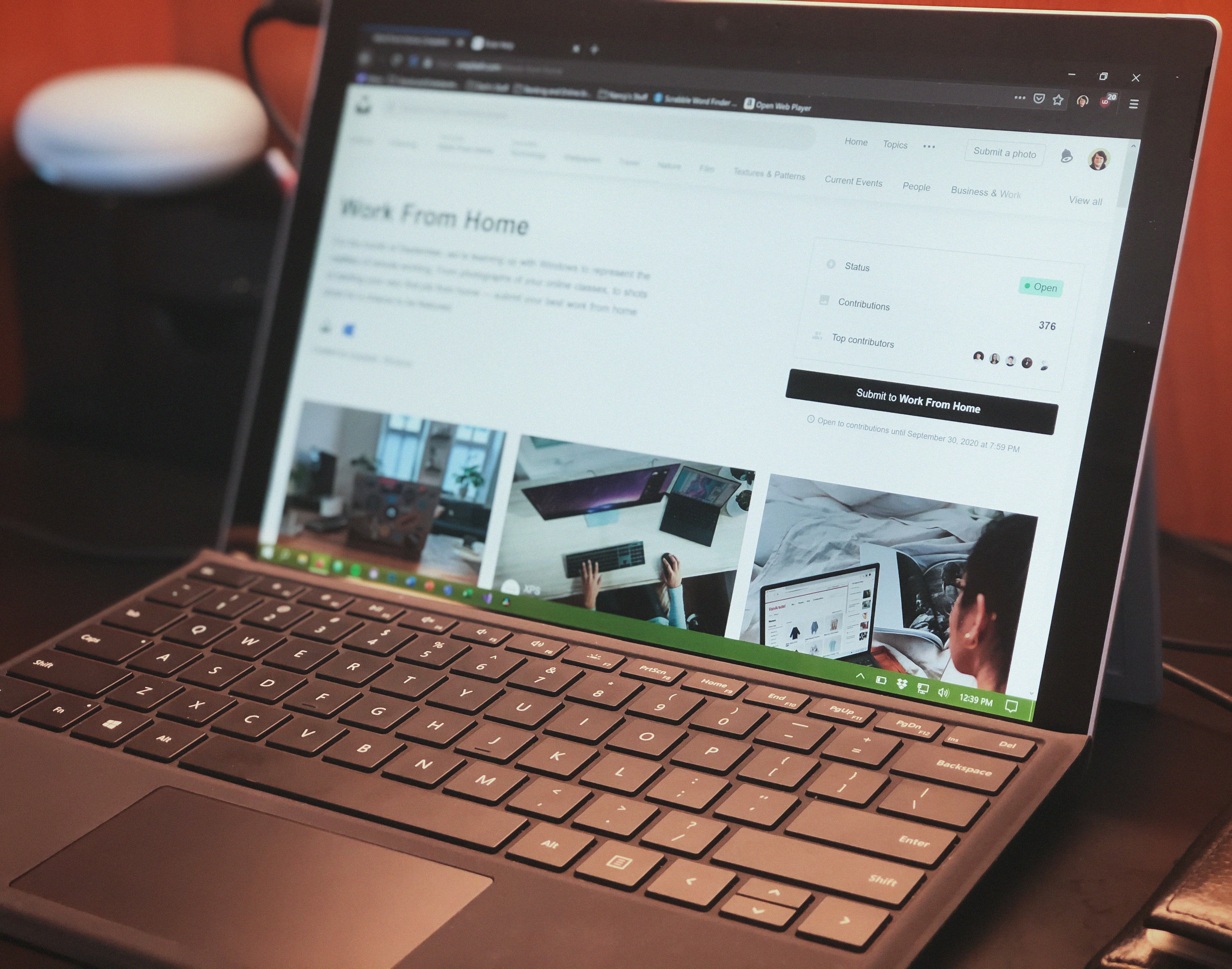
Introduction to Work From Home Jobs
In recent years, the concept of work from home jobs has gained significant traction, transforming the traditional employment landscape. The rise of remote work can be attributed to several factors, including advancements in technology, shifting workforce expectations, and a growing emphasis on work-life balance. These jobs, often characterized by their flexibility, allow individuals to perform their tasks from the comfort of their own homes, significantly altering the way people approach their careers.
The importance of remote work in today’s job market cannot be overstated. With the increase in digital communication tools and collaborative platforms, businesses are now able to hire talent from across the globe. This newfound flexibility is not only advantageous for employees who seek to juggle personal and professional commitments but also beneficial for employers looking to expand their talent pool. Moreover, the rise of digital nomads—individuals who combine work and travel—has further highlighted the allure of remote jobs, enabling a lifestyle that promotes exploration while maintaining a steady income.
Work from home jobs entail a wide array of roles across various sectors, ranging from healthcare and education to technology and customer service. This diversity allows job seekers to explore opportunities that align with their skills and interests. As the trend continues to grow, the number of companies embracing remote work models is also increasing, solidifying the position of work from home jobs as an integral part of the employment sector.
Overall, the shift towards remote work reflects broader societal changes and offers a compelling solution for individuals seeking flexibility in their professional lives. It represents not just a response to the reality of modern living, but also an opportunity for various groups, including professionals and students, to achieve their career goals while enjoying a more balanced lifestyle.
Popular Work From Home Job Types
In recent years, the landscape of employment has significantly evolved, leading to an increased number of people seeking work from home opportunities. Several job types have emerged as particularly popular among those opting for remote work, each requiring specific skills and offering varying potential earnings.
Freelance writing has become one of the most sought-after work from home careers. Writers can specialize in various niches, such as technology, health, finance, and lifestyle. Skills in research, grammar, and creativity are essential for creating engaging content. Depending on their expertise and the complexity of assignments, freelance writers can earn anywhere from $20 to over $100 per hour.
Another prominent category is virtual assistance, which involves providing administrative support to businesses or entrepreneurs remotely. Virtual assistants manage tasks like scheduling appointments, responding to emails, and general office management. Strong organizational and communication skills are crucial in this role. Earnings for virtual assistants typically range from $15 to $50 per hour, depending on experience and specialization.
Customer service representatives are increasingly transitioning to remote positions. This role generally requires strong interpersonal skills and a problem-solving approach to assist customers over the phone, via chat, or email. Companies often provide necessary training, and potential earnings for customer service positions can range from $12 to $25 per hour.
Online teaching is yet another popular work from home job type. Educators can teach a variety of subjects or even specialized skills through platforms designed for remote learning. A background in education or expertise in a particular subject area is often required. Earnings for online teachers can vary widely, often starting from $15 per hour, but experienced instructors can command significantly higher rates.
Each of these work from home job types offers unique opportunities, making them appealing options for individuals looking to balance their professional and personal lives while maintaining a flexible schedule.
Skills You Need for Work From Home Jobs
As the landscape of employment continues to evolve, the demand for work from home jobs has surged significantly. To enhance your chances of successfully landing a remote job, it is crucial to develop a diverse skill set tailored to this unique working environment. Primarily, effective communication skills are essential. Since remote work often relies on digital communication platforms, the ability to articulate ideas clearly through written and spoken forms is paramount. Proficiency in these areas ensures that you can collaborate effectively with colleagues and clients, mitigating the potential for misunderstandings in a virtual setting.
Alongside communication, time management emerges as a vital skill for remote workers. The flexibility of working from home can sometimes blur the lines between personal and professional responsibilities, leading to potential distractions. Developing a structured approach to your workload can significantly improve your productivity and ensure that deadlines are consistently met. Techniques such as the Pomodoro technique or time-blocking can reinforce focus and efficiency, which are crucial in a home office setting.
Self-discipline equally plays a critical role in ensuring success in work from home jobs. Cultivating the ability to stay motivated and prioritize tasks without direct supervision is essential. Establishing a dedicated workspace and setting clear boundaries can aid in maintaining a professional mindset. Additionally, technical skills specific to your field add significant value. For instance, proficiency in digital marketing tools or graphic design software can enhance your employability in a competitive job market. By focusing on these essential competencies, you will effectively position yourself as a desirable candidate for a variety of remote job opportunities.
Free Online Tools to Boost Your Remote Work
The increase in remote work has led to a plethora of free online tools that facilitate enhanced productivity, efficient communication, and seamless collaboration among remote workers. These tools are essential for optimizing workflows, especially for those managing their tasks from a home office. For professionals seeking to maximize their effectiveness while working from home, various online resources are available without the need for registration, making them accessible and user-friendly.
One noteworthy tool is Trello, which offers an engaging platform for task management. By using Trello, remote workers can create boards to organize projects visually, assign tasks to team members, and monitor progress in real-time. This visual aspect helps in prioritizing tasks and ensuring that deadlines are met efficiently. Additionally, the application supports collaboration through comments, attachments, and integrations with other software.
Another invaluable resource is Google Keep, a note-taking tool that allows users to capture ideas swiftly. Its ease of use enables quick access to notes, lists, and reminders, ensuring that essential tasks don’t slip through the cracks. As a collaborative tool, Google Keep allows team members to share notes, making joint projects more manageable.
For video conferencing and team meetings, Zoom stands out as a reliable option. Offering a basic version free of charge, it enables seamless communication among remote team members. Features such as screen sharing and breakout rooms enhance interaction during virtual meetings, fostering a sense of camaraderie among colleagues who may never meet in person.
Incorporating these free online tools can significantly improve the remote working experience. By integrating various platforms tailored to specific tasks, remote workers can achieve higher levels of productivity, promote effective communication, and foster collaboration, thereby enhancing their overall work-life balance.
Finding Legitimate Work From Home Opportunities
Finding legitimate work from home jobs can be a daunting task, especially with the proliferation of scams targeting job seekers. However, there are several effective strategies to source viable remote job openings. One of the most efficient methods is to utilize dedicated job boards that specialize in remote work. Websites such as FlexJobs, Remote.co, and We Work Remotely offer curated listings of legitimate work from home jobs across various industries. These platforms not only provide job listings but also often conduct scrutiny of the employers, thus increasing the chances of finding credible positions.
Networking is another crucial strategy. Leveraging professional networks such as LinkedIn can significantly enhance one’s chances of uncovering remote job opportunities. Engaging with groups focused on remote work and connecting with industry professionals can lead to referrals or inside information about available positions. It’s beneficial to reach out to contacts who may already be working from home; they can provide insights and share potential openings that haven’t been widely advertised.
Moreover, social media platforms play a fundamental role in the job search process. Many companies announce open positions on their social media pages, making it essential to follow organizations of interest. Platforms like Twitter and Facebook often have groups dedicated to remote work listings where members share job leads. Additionally, participating in these groups can establish connections that may lead to job offers. Ensuring that your own social media presence reflects your professional aspirations can attract recruiters seeking potential candidates for remote roles.
In conclusion, exploring job boards, networking effectively, and harnessing social media can aid significantly in finding legitimate work from home opportunities. By employing these strategies, job seekers can navigate the remote work landscape more effectively, maximizing their chances of securing a rewarding position.
Tips for Staying Productive While Working from Home
Working from home offers flexibility, but maintaining productivity can sometimes be challenging. To optimize your work efforts in a home environment, creating a dedicated workspace is crucial. This designated area should be free from distractions and equipped with all necessary tools, such as a computer, printer, and any other relevant materials. A consistent workspace can help in reinforcing a professional mindset, making it easier to separate work from personal life.
Establishing a routine is another effective strategy for enhancing productivity. A structured schedule mimics the traditional office environment and allows you to establish clear expectations about when and how you’ll work. Start your day at a consistent time, just as you would if you were commuting to an office. Incorporate regular breaks to prevent burnout, but ensure they are timed and intentional, allowing you to recharge without losing focus. During working hours, utilize tools such as calendars and task management applications to keep track of deadlines and prioritize projects effectively.
Minimizing distractions plays a pivotal role in maintaining productivity levels while working from home. Consider strategies such as limiting social media usage during work hours and communicating your work schedule to those sharing your space. Noise-canceling headphones or background music can also aid in creating a focused atmosphere. Another essential factor is to maintain clear boundaries with family or housemates, ensuring they understand your commitment to work even while you are at home.
In summary, cultivating a productive work-from-home experience is achievable through a dedicated workspace, structured routines, and effective distraction management. With these practices in place, remote work can be both efficient and fulfilling.
Balancing Work and Life When Working from Home
Achieving a delicate equilibrium between work and personal life is vital for remote workers. The unique nature of working from home can blur the boundaries, making it all too easy to allow work to seep into personal time. Establishing specific strategies can significantly enhance your work-life balance. One effective method is setting clear boundaries regarding your work schedule. By designating specific start and end times for your workday, you can create a structured routine that allows you to focus on your professional responsibilities while also carving out time for personal activities.
Additionally, having a designated workspace can facilitate this separation. Whether it is a designated home office or a specific corner in a room, creating a physical boundary can help signal the start and end of the workday. When you step away from this space, mentally transition out of ‘work mode’ to engage in relaxation or personal hobbies. It’s important to communicate these boundaries to household members or family, ensuring they understand your work hours and the need for minimal distractions during those times.
Another crucial aspect is prioritizing personal time for self-care and leisure activities. Allocating time for exercise, hobbies, or social interactions can help decompress from the pressures of work. Engage in activities that bring joy, whether it is reading, cooking, or spending time outdoors. Regular breaks during work hours also promote productivity and mental clarity, further aiding in the balance between work and personal life.
Ultimately, remember that flexibility is one of the primary benefits of working from home. Adjust your routines as necessary to find what best promotes both your professional success and personal well-being. Maintaining this balance is essential to prevent burnout and maintain overall happiness while working remotely.
Top Online Resources for Work From Home Professionals
As the trend towards remote work continues to grow, numerous online resources have emerged to facilitate connections between freelancers and potential clients. These platforms not only offer job listings but also foster communities for work from home professionals to share tips, seek advice, and collaborate with others in similar fields. Below are some of the top online resources to consider.
Freelancer marketplaces such as Upwork and Fiverr remain among the most popular platforms for individuals seeking flexible work-from-home opportunities. Upwork provides a wide range of job categories, allowing freelancers in various fields—like writing, graphic design, and web development—to join and bid on projects. Fiverr operates on a different model, enabling freelancers to create service listings at different price points, which clients can purchase directly. Both platforms emphasize the importance of building a strong profile and reputation to attract potential clients.
In addition to marketplace platforms, forums and online communities play a crucial role in the remote work ecosystem. Websites like Reddit feature dedicated subreddits such as r/freelance, where professionals can converse about their experiences, share client leads, and provide insights into best practices for optimizing their workflow. Another notable platform is LinkedIn, which not only serves as a social network for professionals but also offers job postings and networking opportunities specifically for remote roles.
Moreover, resources like FlexJobs and Remote.co specialize in curating lists of legitimate remote job postings. Both platforms offer vetted listings to reduce the risk of scams and save job seekers time. By utilizing these resources, work from home professionals can effectively navigate the remote job market, connect with clients, and enhance their career trajectories.
Conclusion: Embracing the Work From Home Lifestyle
As we reflect on the significant insights shared throughout this guide, it becomes evident that the work from home paradigm is not merely a temporary shift in the job market. Instead, it represents a transformative approach to the way we perceive work, productivity, and balance in our lives. The traditional 9-to-5 office setting has become increasingly obsolete, giving way to a more flexible, remote work environment that caters to individual lifestyles and personal preferences.
Throughout this post, we have explored various work from home jobs, ranging from freelance writing and virtual assistance to customer service and online tutoring. Each of these roles offers unique opportunities for individuals seeking to blend their professional responsibilities with personal commitments, enhancing their overall quality of life. The reduced commute and increased autonomy associated with remote work often lead to heightened job satisfaction, improved mental health, and a better work-life balance.
Moreover, the ongoing advancements in technology continue to facilitate the remote work experience. Tools for communication, collaboration, and project management enable teams to function effectively, regardless of their physical location. This aspect signifies a promising future for remote positions, as more companies recognize the benefits of offering flexible work arrangements. In an evolving job landscape where adaptability is crucial, embracing the work from home lifestyle can be a significant advantage for job seekers and employers alike.
In conclusion, the move towards remote work appears to be a formidable trend that will not only shape the current job market but also redefine traditional notions of employment. By embracing this change, individuals can foster a fulfilling career while enjoying the numerous benefits that come with working from home. The future is bright for those willing to adapt and thrive in this new work environment.